You are asking whether this is another non-profit wanting an academic name on its marketing. It is not what we are offering. We run a measured intervention in a field with a thin evidence base, particularly in low-resource settings, and we want the questions interrogated properly: study design, instrument critique, publication, and findings we do not control.
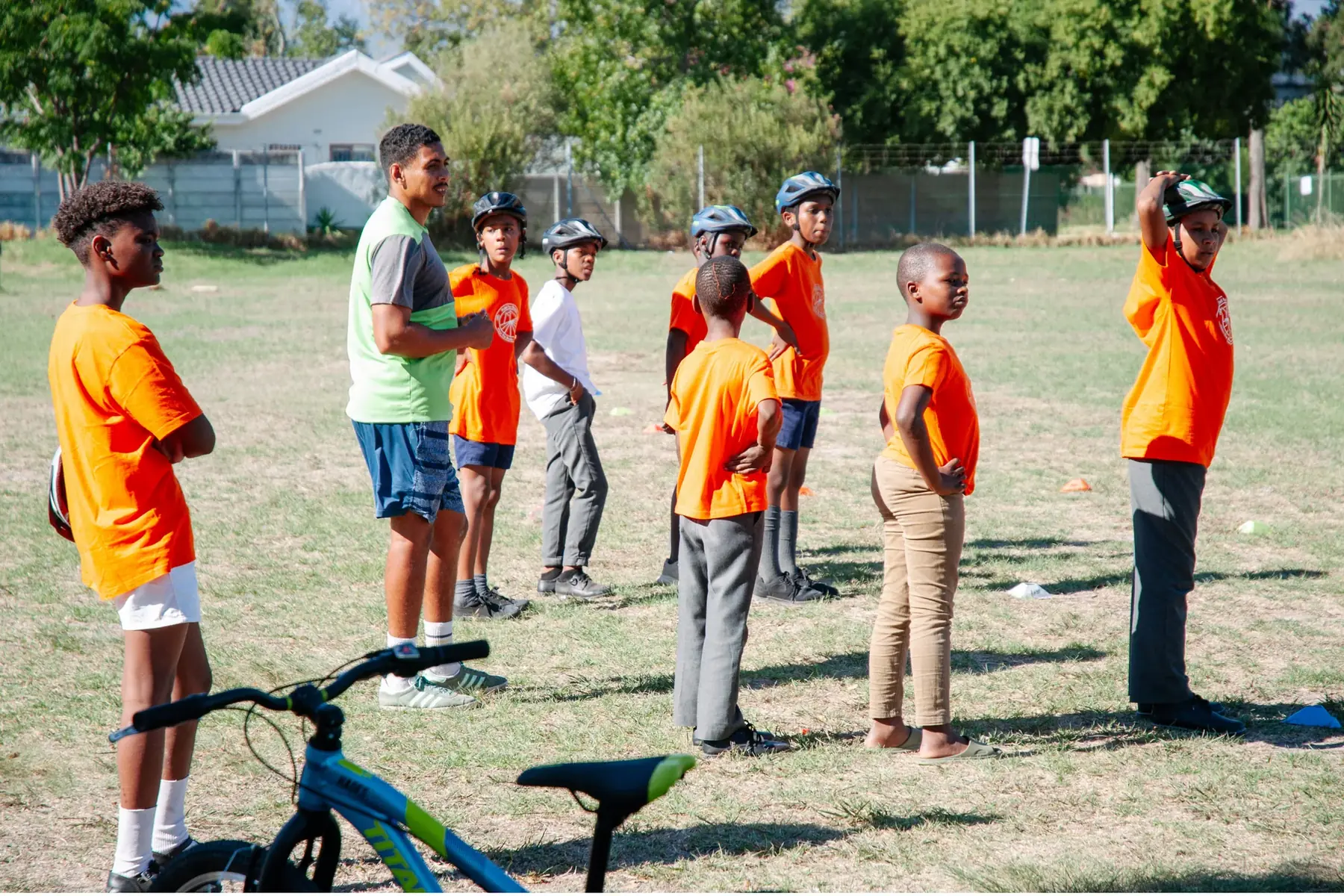
Tell us your research interests and we will show you the programme, the data infrastructure and the questions we most want answered. If the fit is not there, we will both know within an hour.
Study aims, design, instruments and analysis plans are developed together, with our Programme Manager as the operational counterpart. We agree upfront what happens to findings, including the ones neither of us hopes for.
Your institutional ethics process runs alongside our consent framework: caregiver consent, participant assent, anonymised identifiers and secure storage are already documented, which shortens the path considerably for most applications involving minors.
Data collection fits the delivery calendar and is supported by trained programme staff. Analysis and writing are shared, authorship follows contribution, and findings are published whatever they show, in the journal and on our Evidence page.
There are four ways to work with us. If this is not the right one, they are set out together on the Work With Us page.
Anonymised participant-level data under a written data-sharing agreement: instrument scores, attendance and retention, facilitator observations and fidelity records. Identifiable data never leaves the programme. Access terms, retention periods and destruction dates sit in the agreement, and our participants’ interests take precedence over any study timeline.
Findings are published whatever they show; that principle is already public on our Evidence page and it binds us as much as you. We ask for factual accuracy review, not approval rights. Negative or null findings are reported alongside everything else, because candour is the credibility strategy, not a concession.
Every participant already has recorded caregiver consent and gives their own assent, separate from media consent, with unique anonymised identifiers assigned from enrolment. Research participation adds its own consent layer, designed with you to meet your ethics committee’s requirements, and withdrawal is possible at any point without affecting a young person’s place in the programme.
We will only use your address for this. We will not share or sell it. Read our privacy notice. Business enquiries are transactional; marketing consent is the separate tick above and is never assumed.
Prefer to talk method first? Write to our Programme Manager via hallo@pedalforgood.com. We reply within two working days.
Pedal For Good, the operating name of Pedal Project NPC
NPO 263-878-NPO · PBO 930072747
Registered with SARS as a Public Benefit Organisation. Donations qualify for Section 18A tax certificates.

 Check whether this verification is still valid, and read more about the iZinga Assist verification system.
